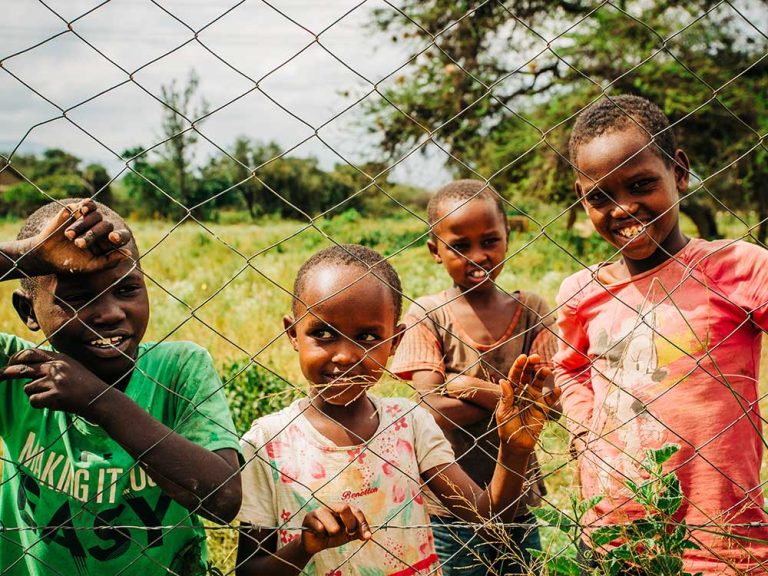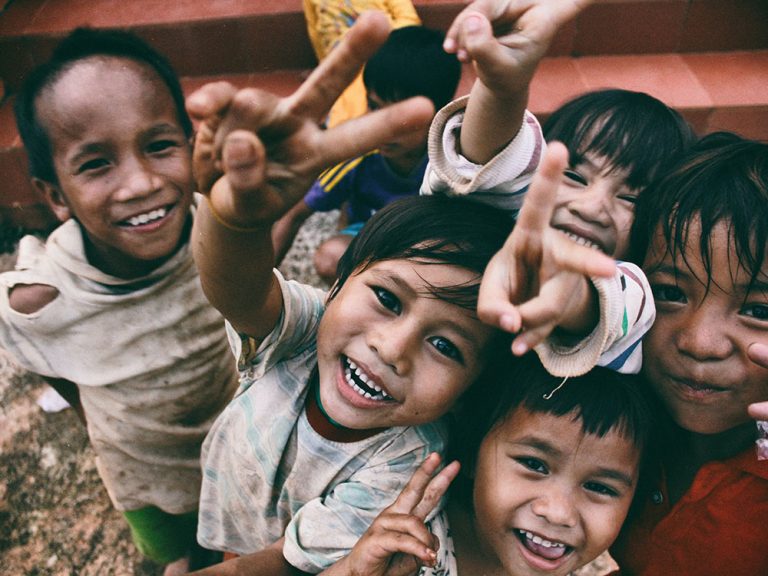

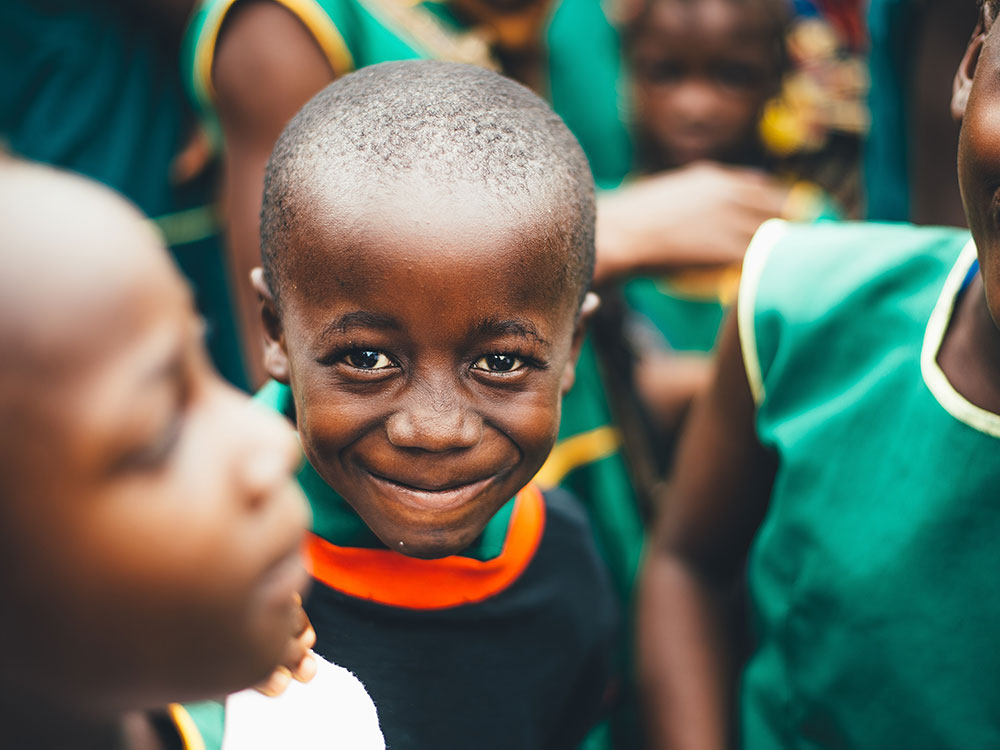

Access to learning remains one of the biggest challenges for children living in underserved and displacement-affected communities. Many have been out of school for months or years, not because they lack interest, but because the learning structures around them have been disrupted. This past week, our team visited one of the settlement communities where this gap is most visible.
We saw children who had never held a textbook before, children who lost their learning materials when their families were displaced
The week-long program focused on creating a safe, informal space where children could reconnect with basic literacy and numeracy. We saw children who had never held a textbook before, children who lost their learning materials when their families were displaced, and youth who simply needed encouragement to return to learning. Our facilitators used simple teaching tools and group-based methods designed to keep the sessions interactive and engaging.
The learning support covered reading, writing, counting, and creative exercises to help the children regain confidence. What made the sessions even more meaningful was the mix of ages working together—older children helping younger ones understand words and numbers, and younger learners gaining inspiration from their peers.
Parents and caregivers expressed deep appreciation. For many of them, education feels like an unreachable priority when daily survival is already difficult. These sessions reminded them that small, consistent support can change a child’s direction. At the end of the week, each child left with a sense of excitement and a renewed eagerness to learn. It’s a reminder that with the right support, hope can be restored, and the cycle of lost learning can be broken.
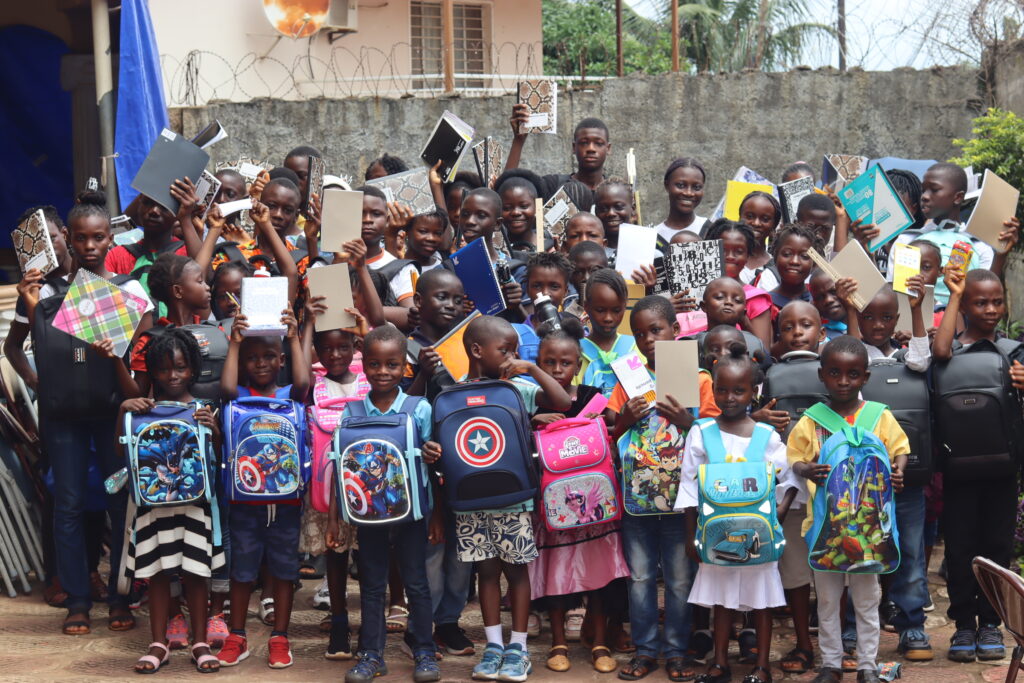
Beyond the learning sessions themselves, the program also created opportunities for community engagement. Caregivers and local leaders shared valuable insights about the challenges children face daily—limited study materials, overcrowded living spaces, and the psychological impact of displacement. These conversations helped us understand how to tailor future sessions to fit the realities of the community and ensure that children receive steady, long-term support.
As we prepare for the next phase, our focus is on expanding the program to reach more children within neighboring settlements. With additional learning kits, volunteer support, and regular follow-up visits, we aim to build a consistent learning pathway that strengthens literacy and gives children a reliable sense of structure. Every step forward reinforces our commitment to helping young learners regain confidence, rebuild stability, and reconnect with their potential.